

Article: The Power of Pressure: Compression Wear Trends and Technology in 2025
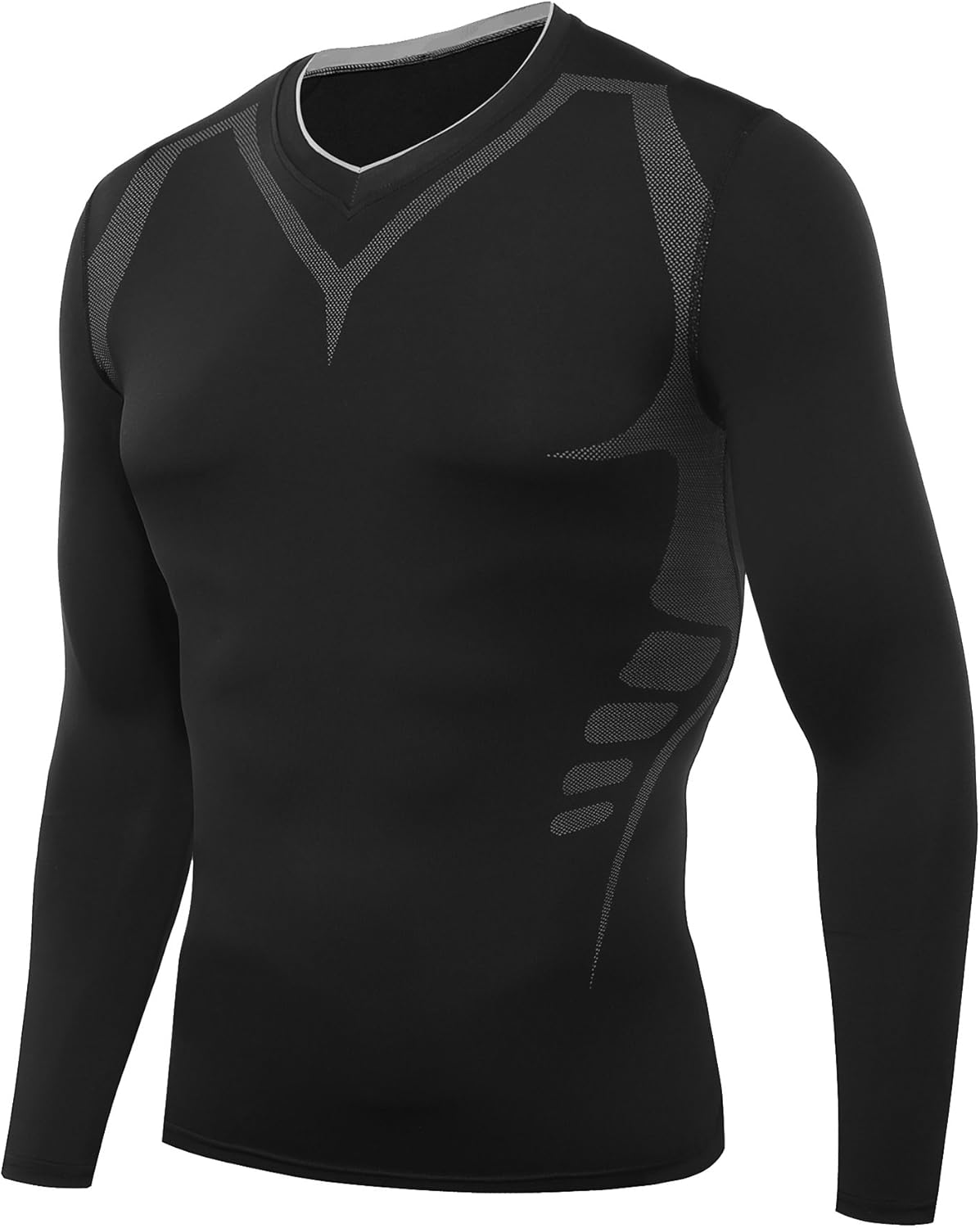
The Power of Pressure: Compression Wear Trends and Technology in 2025
Compression gym clothing has evolved far beyond the basic skin-tight layer. In 2025, it represents a sophisticated convergence of sports medicine, textile engineering, and high-performance design. Modern compression wear is designed not just for support, but to actively enhance athletic performance and accelerate post-exercise recovery.
Here is a comprehensive look at the key trends, technology, and science behind the pressure-based gear dominating the fitness world today.
The Science: Why Compression Works
The core principle of compression is applying controlled, graduated pressure to specific muscle groups. This action delivers several physiological benefits:
-
Improved Blood Flow: Compression garments apply pressure that helps squeeze veins, aiding the valves in pushing deoxygenated blood back toward the heart and improving circulation. This is often referred to as enhanced venous return.
-
Reduced Muscle Oscillation: During high-impact activities like running or jumping, muscles vibrate (oscillate). Compression wear effectively dampens this vibration, reducing muscle damage and soreness, particularly Delayed Onset Muscle Soreness (DOMS).
-
Faster Waste Removal: By boosting blood flow, compression helps clear metabolic byproducts like lactic acid more quickly from muscle tissue, which aids in faster recovery.
-
Proprioceptive Feedback: The garments provide constant tactile feedback to the wearer, which can improve body awareness (proprioception) and stability during movement.
Next-Generation Technology and Design
Compression is no longer uniform; it's smart and targeted.
-
Targeted or Graduated Compression: This is the most crucial innovation. Instead of applying equal pressure across the entire garment, modern compression features varying pressure levels. Pressure is highest furthest from the heart (e.g., at the ankle) and gradually decreases further up the limb (e.g., at the knee or thigh). This is scientifically proven to be the most effective for enhancing circulation.
-
Engineered Knit Structures: Using advanced knitting machinery, brands are weaving specific zones of high-density compression directly into the fabric (like built-in knee braces or lumbar support) without using bulky seams or panels. This creates a lightweight, comfortable garment with superior therapeutic efficacy.
-
Thermo-Regulating Fibers: To combat overheating, compression gear now frequently integrates advanced fabrics like thermo-regulating polymers or Graphene-infused yarns. These materials help dissipate heat during intense activity while still maintaining the necessary compressive structure.
-
Antimicrobial and Recovery Finishes: Compression gear is often worn for longer periods, including post-workout. Anti-odor treatments are standard, and some materials now incorporate micro-encapsulated ingredients like Aloe Vera or essential oils that are released onto the skin to aid in muscle recovery.
Key Trends in Compression Wear for 2025
The current market is defined by specialization, aesthetics, and versatility.
-
The Specialization of Sleeves: Dedicated compression sleeves for the calves, knees, and elbows are trending as athletes seek targeted relief and support without committing to a full garment. This allows for precise pressure on injured or overworked areas.
-
"Recovery First" Apparel: There is a distinct line emerging between compression for performance (worn during a workout) and compression for recovery (worn afterward). Recovery garments are often less restrictive but feature more extensive coverage. They are designed for extended wear—often for hours while sleeping or relaxing—to maximize the physiological recovery benefits. This contrasts with Performance Compression, which is tighter and uses highly breathable, lightweight material for maximum muscle stabilization during activity.
-
Aesthetic Integration: Compression is now fashionable. Garments feature sophisticated color-blocking, intricate texture weaves from the engineered knit, and matte finishes that allow them to be worn as stylish outerwear or as a sleek base layer.
-
Full Body Unitards: Driven by the athleisure and dance-inspired trends, full-body compression unitards are popular. They offer seamless core and posture support for yoga, Pilates, and weightlifting, while providing a streamlined, high-fashion look.
Choosing the Right Pressure
When selecting compression clothing, it's essential to understand the distinction between the two main categories:
-
Performance Compression: This gear is designed to be worn during activity. It typically has a higher, tighter fit to provide maximum muscle stabilization and injury prevention. The material is lightweight and aggressively moisture-wicking to handle intense workouts. Key pieces include calf sleeves, short sleeves, and athletic shorts/leggings.
-
Recovery Compression: This gear is designed to be worn after a workout. The pressure level is often moderate to firm but less restrictive than performance gear, making it comfortable for extended wear or sleeping. The material may be softer and thicker, sometimes featuring embedded recovery technologies. Key pieces include full-length tights, long-sleeve tops, and dedicated recovery socks.

